
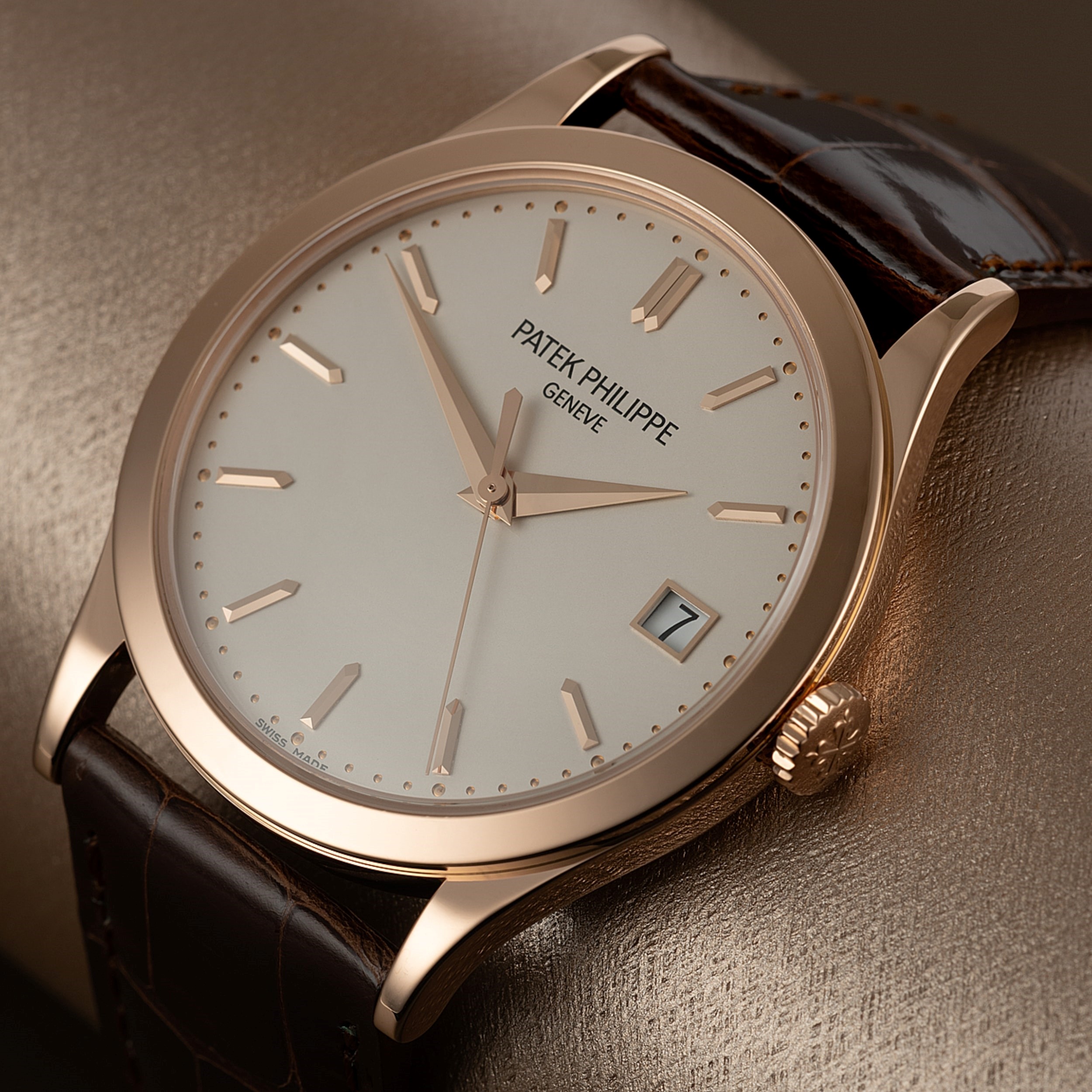
The Calatrava,an iconic piece from the Patek Philippe manufacture,continues to captivate watch enthusiasts.
What makes it so special that it shines despite the passage of time?
Since its inception,Patek Philippe has produced true masterpieces renowned for their unparalleled precision.
Every component of its fake watches is meticulously hand-adjusted.
They quickly found their place on the wrists of the world’s elite.
Each watch has stood the test of time and become a legacy of the brand,with some pieces becoming true legends,such as the Calatrava.
The Origins of the Calatrava Fake Watches
In the 1930s,pocket watches were abandoned in favor of wristwatches.
These became objects of fascination thanks to the practicality and elegance they offered.
It was with this in mind that the manufacture made a bold shift and decided to create a dressy wristwatch with a simple movement.
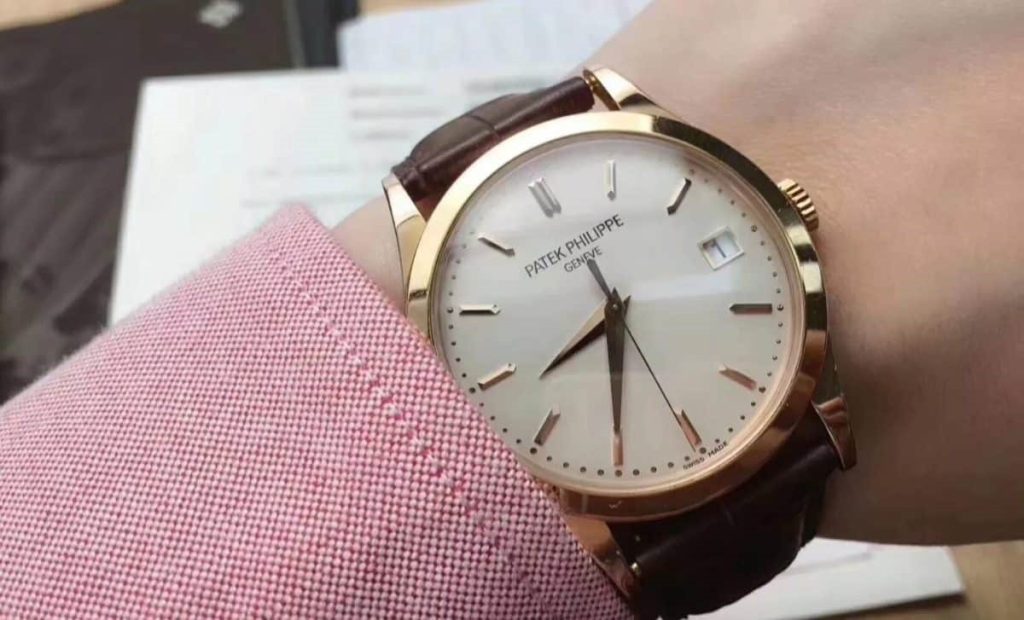
The Calatrava was thus born,reflecting evolving tastes,with its clean,round case and an immaculate dial,devoid of superfluous numerals,embodying clarity and legibility.
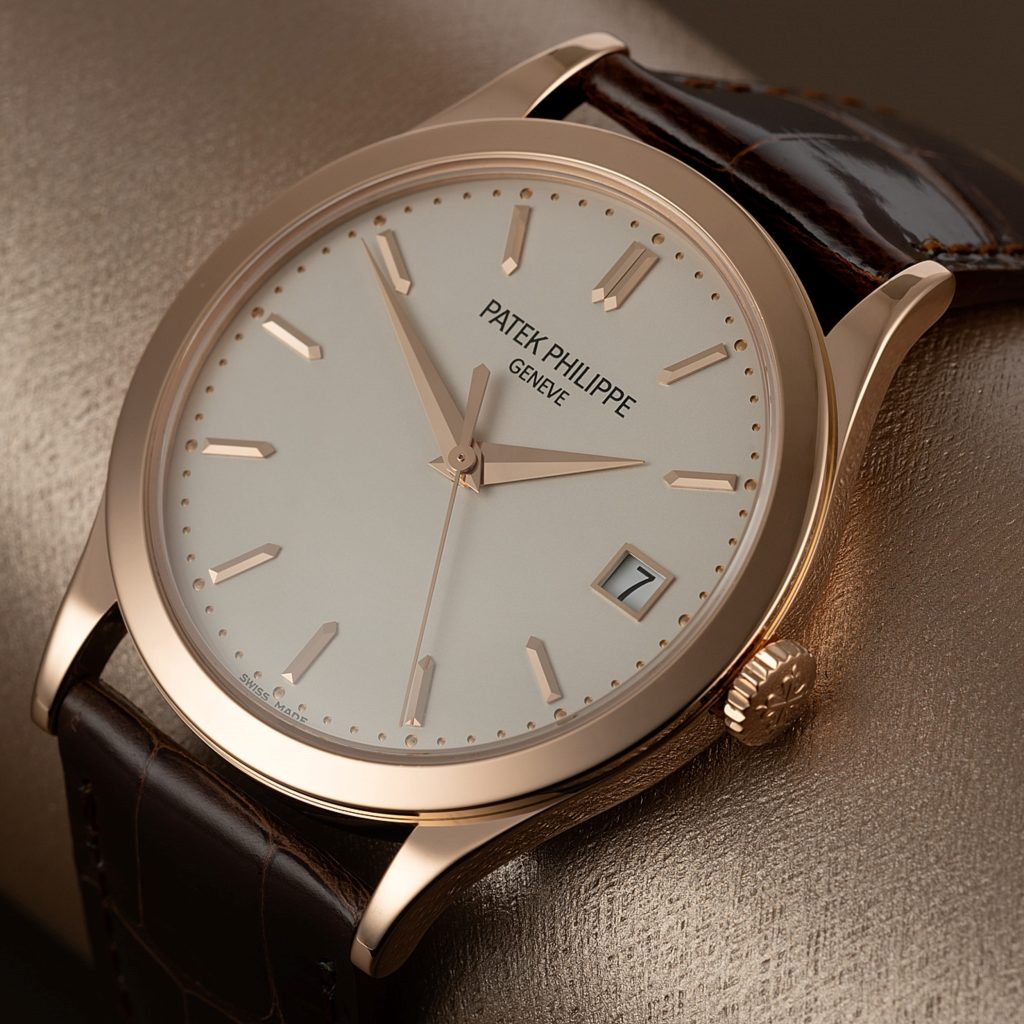
Its leaf-shaped hands seem to dance gracefully across the dial,indicating the time with great precision.
The name Calatrava refers to the Calatrava Cross,which it adopted as its logo.
This motif,consisting of a cross with four fleur-de-lis leaves pointing towards the cardinal directions,originates from the Spanish military order.
It is an emblem that embodies valuessuch as courage,chivalry,and independence—principles that Patek Philippe ardently upholds.
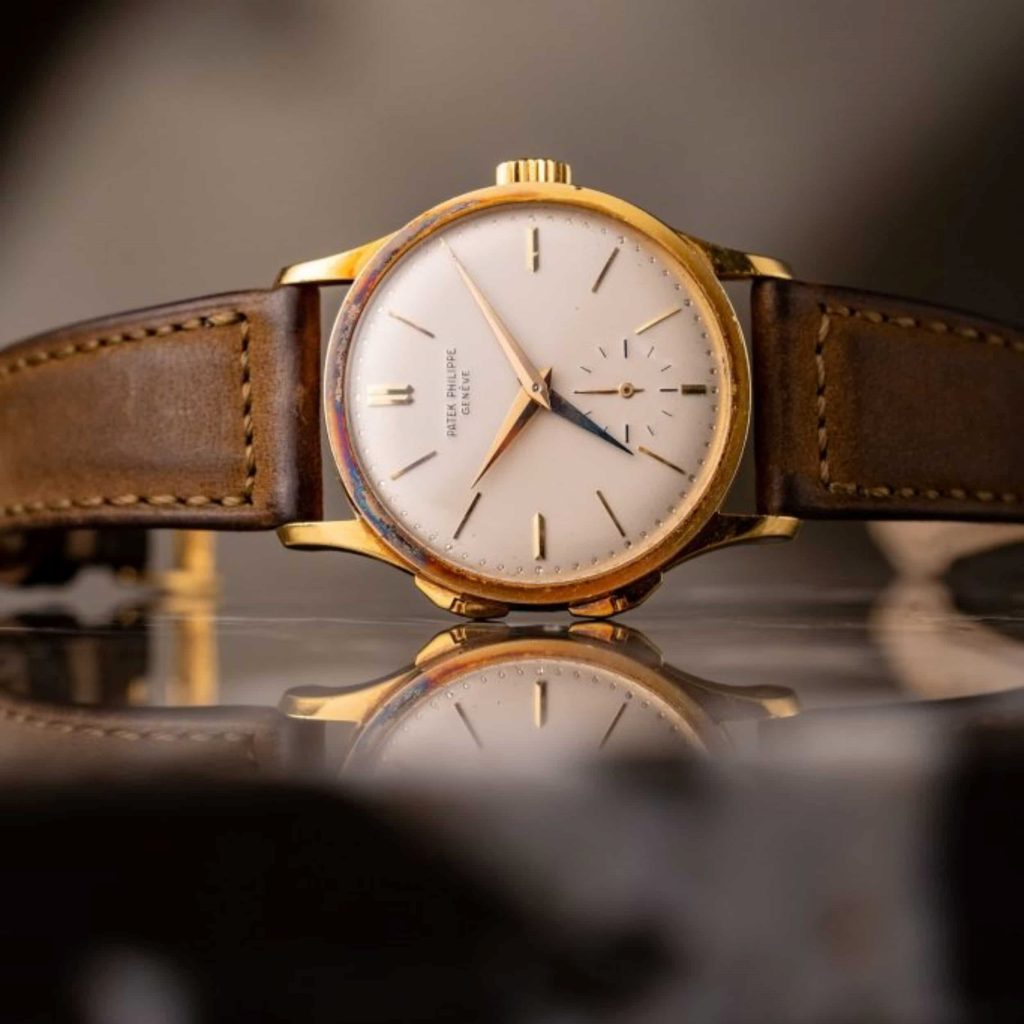
The first Calatrava watches had a diameter of just 30.5 mm,which was quite small compared to other men’s wristwatches of the time.
Subsequently,numerous models emerged.
In 1934,the first evolution of the model featured a bezel with a Clous de Paris guillochépattern,which would become an iconic design.
The Calatrava symbolizes Patek Philippe’s commitment to horological excellence and pure beauty.
Author

Related posts
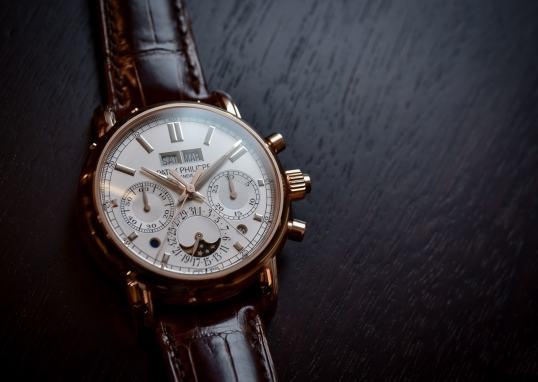
Patek Philippe Fake Watches With Complex Functions
A series of events on Patek Philippe watches with complex functions-Perpetual Calendar combined with Chronograph. The Particularly Complex 5204 Model The 5204’s...
Read out all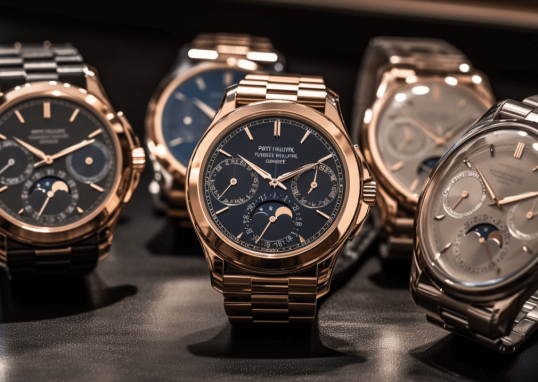
Which Patek Philippe Replicas Watches Should You Buy?
When it comes to luxury watches,Patek Philippe is an absolute benchmark. What sets this brand apart is its exceptional craftsmanship,passed down through...
Read out all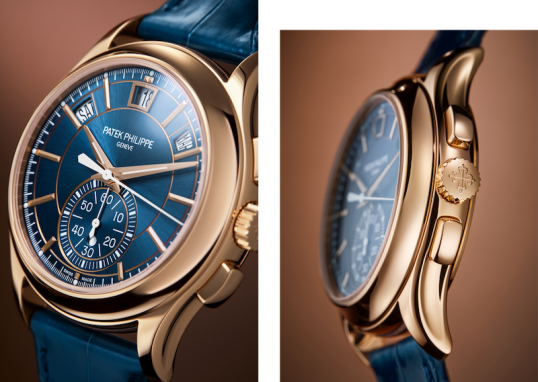
REPLICAS WATCHES PATEK PHILIPPE COMBINES TWO
Patek Philippe has combined two of its most highly regarded complications in the reference 5905R-010,which features an automatic flyback chronograph and an...
Read out all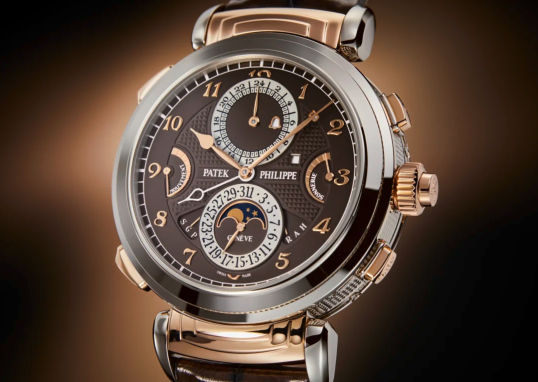
Patek Philippe Travel Time Fake Watches
Travel is more than just getting from one place to another:it’s about immersing yourself in new cultures,discovering unexpected landscapes,and experiencing life-changing moments....
Read out all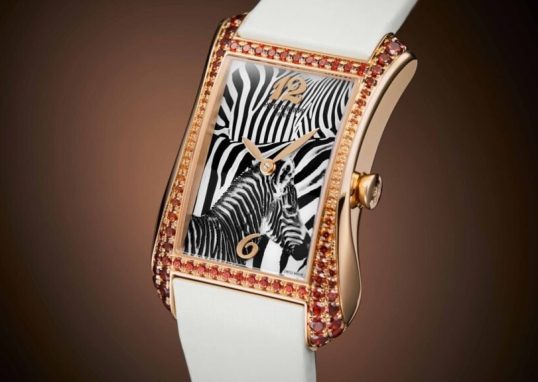
Patek Philippe’s New Gondolo Serata’Zèbres’Replicas Watches
A Patek Philippe that transforms the watch into an aesthetic animal,where Art Deco elegance meets the visual rhythm of the African savannas:Gondolo...
Read out all
When Patek Philippe Replica Watches Turns Up The Volume!
The engineers in Patek Philippe’s Advanced Research department have developed a revolutionary device to amplify and diffuse the sound of a minute...
Read out all